Some women enter the Book because of what they built. Diana enters it because of what she dismantled: the distance between the crown and the crowd, between the well and the unwell, between what a public woman was allowed to feel and what she actually felt.
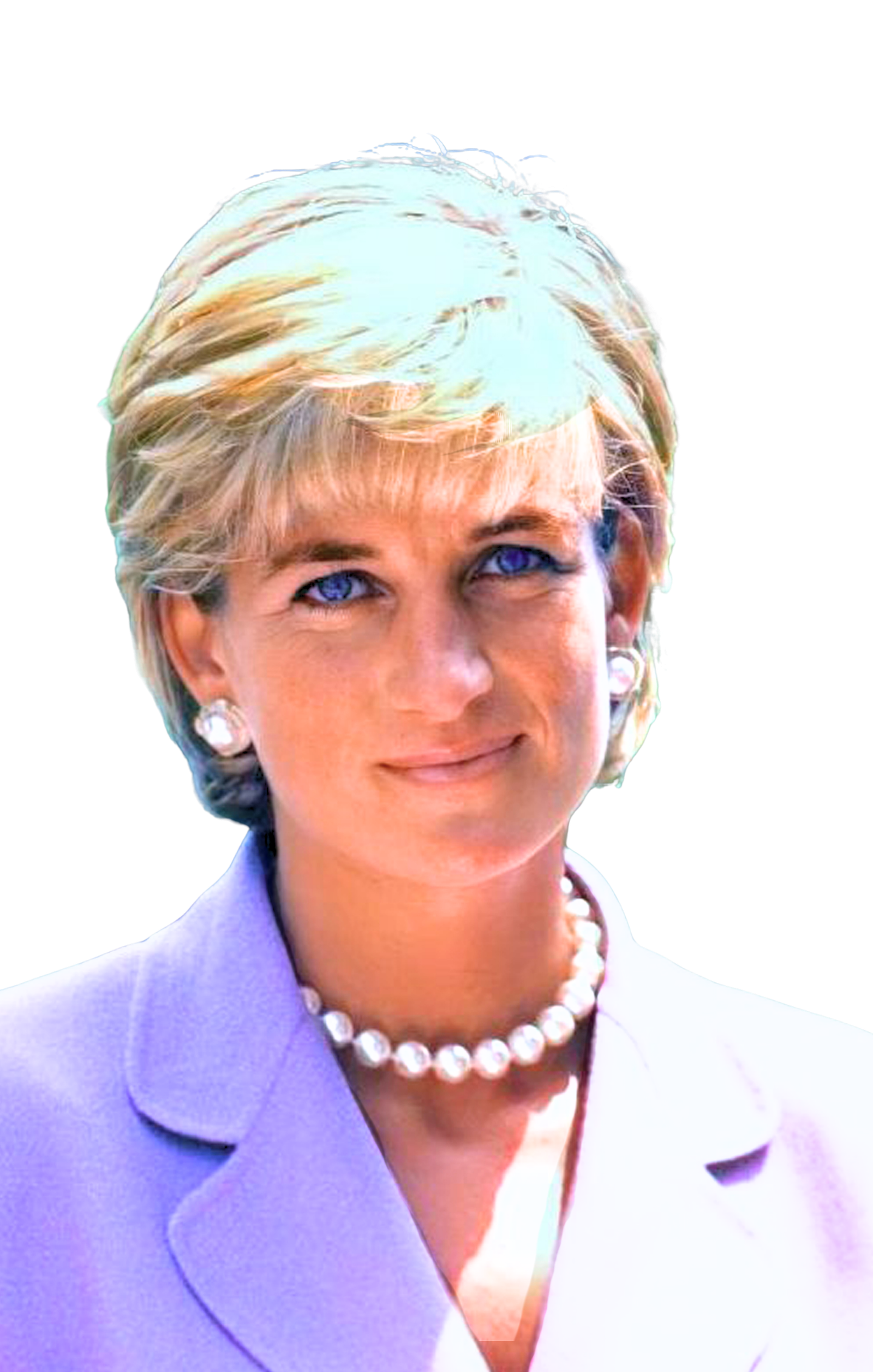
The girl in the crowd's imagination
She was 20 when she walked the length of St Paul's in that impossible dress, while an estimated 750 million of us watched. Whatever the fairytale promised, what actually arrived over the next sixteen years was something far more interesting: a young woman learning — publicly, awkwardly, bravely — who she was, inside an institution built to prevent exactly that.
Many of us were doing our own version of the same thing in those years, on smaller stages. Marriages that looked one way from the outside and felt another from within. The slow discovery that being loved by everyone is not the same as being known by anyone. She lived our decade out loud.
The gloves that came off
In 1987, at the opening of Britain's first purpose-built HIV/AIDS unit, she sat down with a dying young man and shook his hand. No gloves. Cameras everywhere. It's difficult, now, to explain to younger women what that gesture detonated — the fear that was in the air then, the things people believed about touch. One handshake from the most photographed woman alive did what years of public health campaigning had struggled to do.
And she kept doing it. Leprosy wards. Homeless shelters with her boys in tow, because she wanted princes who had seen real life. And in January 1997, a live minefield in Angola, walking the cleared path in a visor for the HALO Trust — months before the world signed the treaty banning landmines. She didn't lecture. She went where the suffering was and put her body next to it. That was the argument.
What she gives the women we've become
Nearness is a choice. Every one of us knows a room that's easier to walk past — the aged-care wing, the grieving neighbour's kitchen, the friend whose diagnosis makes conversation awkward. Diana's whole public life says: go in. Sit down. Take the hand.
Reinvention is allowed — even in public, even mid-life. She rebuilt herself after the fairytale collapsed, in front of everyone, and was arguably only just becoming who she really was when she ran out of time. She was 36. Most of us got the decades she didn't. That's not a guilt — it's an assignment.
And warmth is not weakness. They called her too emotional, too open, too much. Those "flaws" are the entire reason a million bouquets buried the palace gates. The qualities the world scolds women for are so often the ones it grieves hardest when we're gone.
Her favourite flower was the forget-me-not. Kensington planted them in their thousands for her. It was never really a risk, though. Rest gently, Diana — you made the book, and you made the mould.